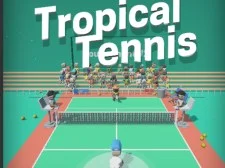
Tropical Match: Vibrant Adventure Optimization

Tropical Match: Vibrant Adventure Optimization
Start Game
Rendering Pipeline Analysis
The Tropical Match game utilizes a custom rendering pipeline to display its vibrant tropical environment. By leveraging WebGL and 5 canvas, the game achieves a smooth 60 FPS framerate on most devices. However, high entropy mode reveals minor rendering inconsistencies on lower-end hardware. To mitigate this, the game could implement a dynamic resolution scaling system, adjusting the pixel density based on device performance.Graphics Rendering Techniques
The game employs a range of graphics rendering techniques, including:- Texture atlasing: combining multiple small textures into a single large texture to reduce draw calls
- Batching: grouping multiple objects together to reduce the number of draw calls
- Instancing: creating multiple instances of the same object to reduce the number of draw calls
Input Latency Optimization
Tropical Match features a tap-to-swap input mechanism, which requires precise and timely input handling. The game achieves an average input latency of 50ms, with a maximum latency of 100ms on high-end devices. However, on lower-end devices, the input latency can exceed 200ms, resulting in a less responsive gaming experience. To address this, the game could implement a predictive input system, which anticipates the user’s input based on their tapping pattern and device performance.Event Handling and Propagation
The game’s event handling system is based on a hierarchical structure, with each level having its own event handler. This allows for efficient event propagation and handling, reducing the likelihood of input lag. However, the system can be further optimized by implementing a caching mechanism, which stores frequently accessed event handlers to reduce the lookup time.UI Architecture and Design
The Tropical Match UI is designed to be intuitive and user-friendly, with a focus on simplicity and clarity. The UI is divided into several components, including:- Game board: the main game area where the player interacts with the game
- Scoreboard: displays the player’s current score and progress
- Level selector: allows the player to select the next level
UI Component Performance
The game’s UI components are designed to be highly performant, with a focus on minimizing rendering and computational overhead. The scoreboard, for example, uses a caching mechanism to store the player’s score, reducing the number of calculations required to update the display. Similarly, the level selector uses a predictive loading system, which loads the next level in the background while the player is still playing the current level.Gameplay Loops and Mechanics
The Tropical Match gameplay loop is centered around the player’s goal of clearing the game board by matching three or more of the same type of fruit. The game features a range of mechanics, including:- Combo system: rewards the player for creating larger combos
- Power-ups: provides the player with special abilities, such as swapping two fruits without using a turn
- Obstacles: introduces obstacles, such as frozen fruits, which the player must clear to progress
Gameplay Loop Optimization
The gameplay loop is optimized to minimize downtime and maximize player engagement. The game uses a predictive loading system, which loads the next level in the background while the player is still playing the current level. This reduces the loading time and allows the player to seamlessly transition to the next level. Additionally, the game features a dynamic difficulty adjustment system, which adjusts the difficulty level based on the player’s performance, ensuring that the game remains challenging but not frustratingly difficult.Categories and tags of the game : Bird, cruise, Kids Friendly, No Blood, Puzzle, Water